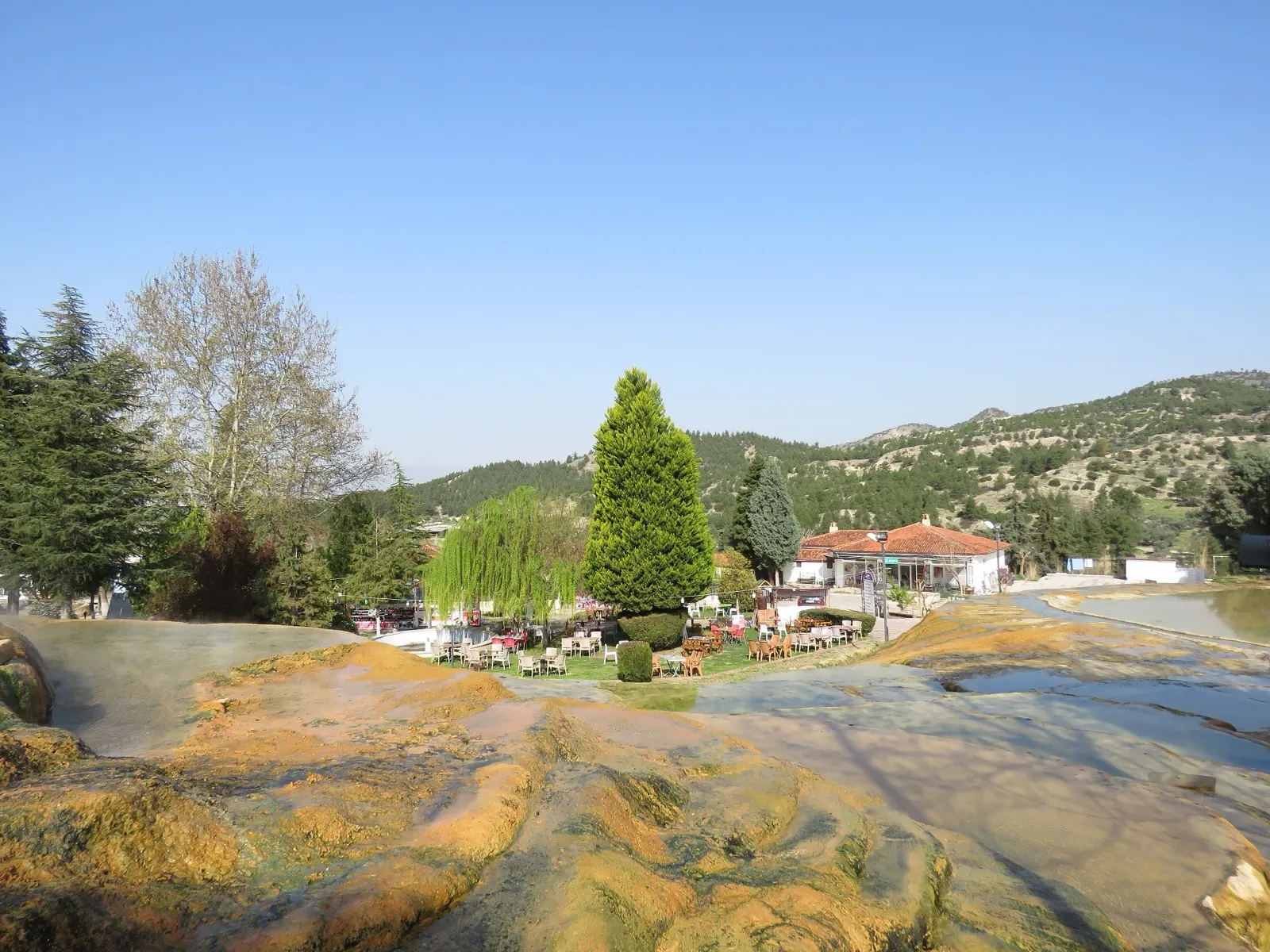
Thermal water rich in iron rises from underground at 42–58 °C and paints the rocks red and orange. After the white of Pamukkale, the red travertines right near our guesthouse offer a completely different view.
Tip: Walk over in the cool of the late afternoon; the colours glow at sunset.
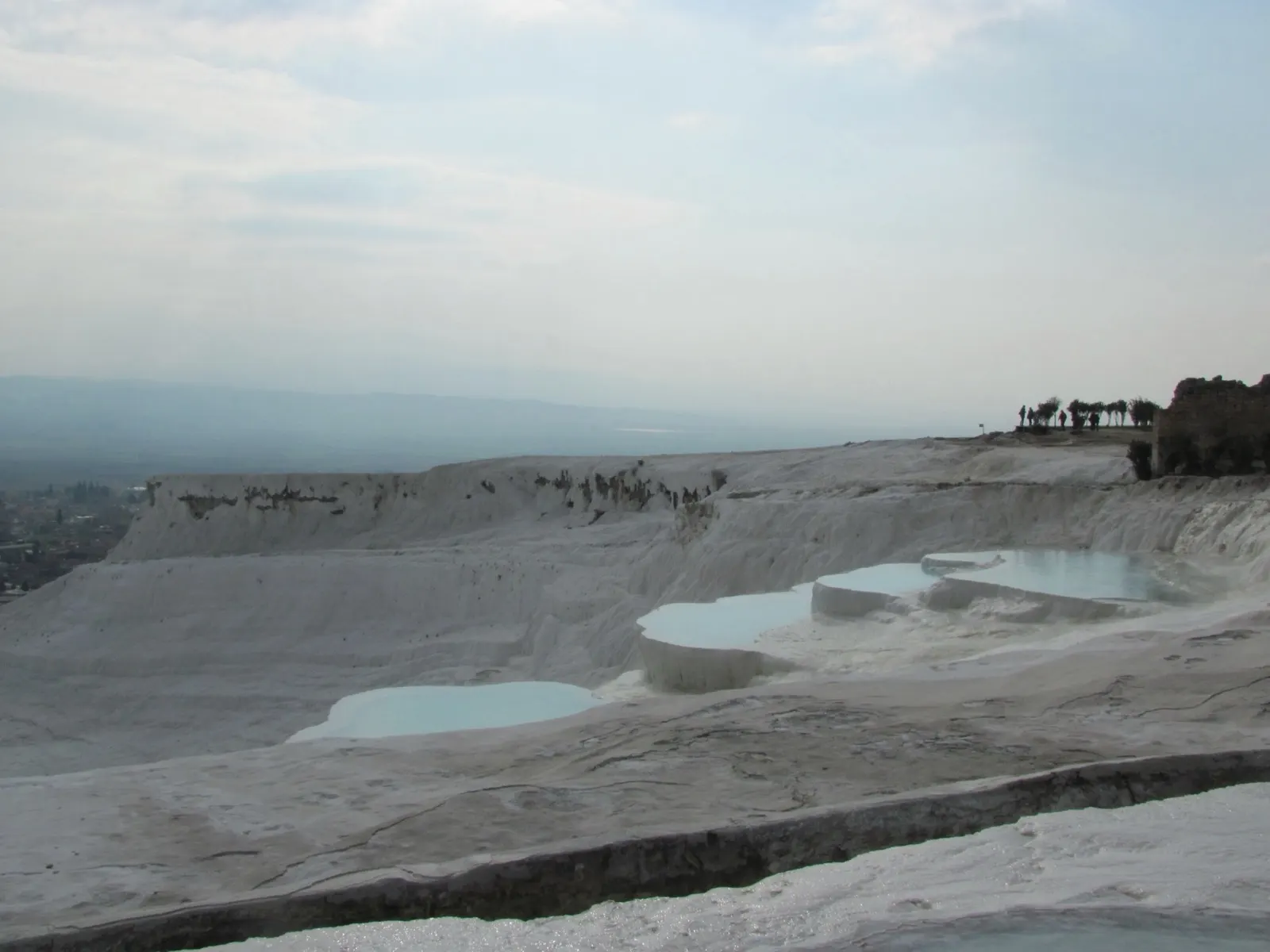
Brilliant white terraces formed over thousands of years by calcium-rich thermal water, on the UNESCO World Heritage List together with Hierapolis since 1988. Walking through the shallow pools is the region's signature experience.
Tip: Shoes are not allowed on the terraces; bring a bag for them and go early in the morning or towards sunset.
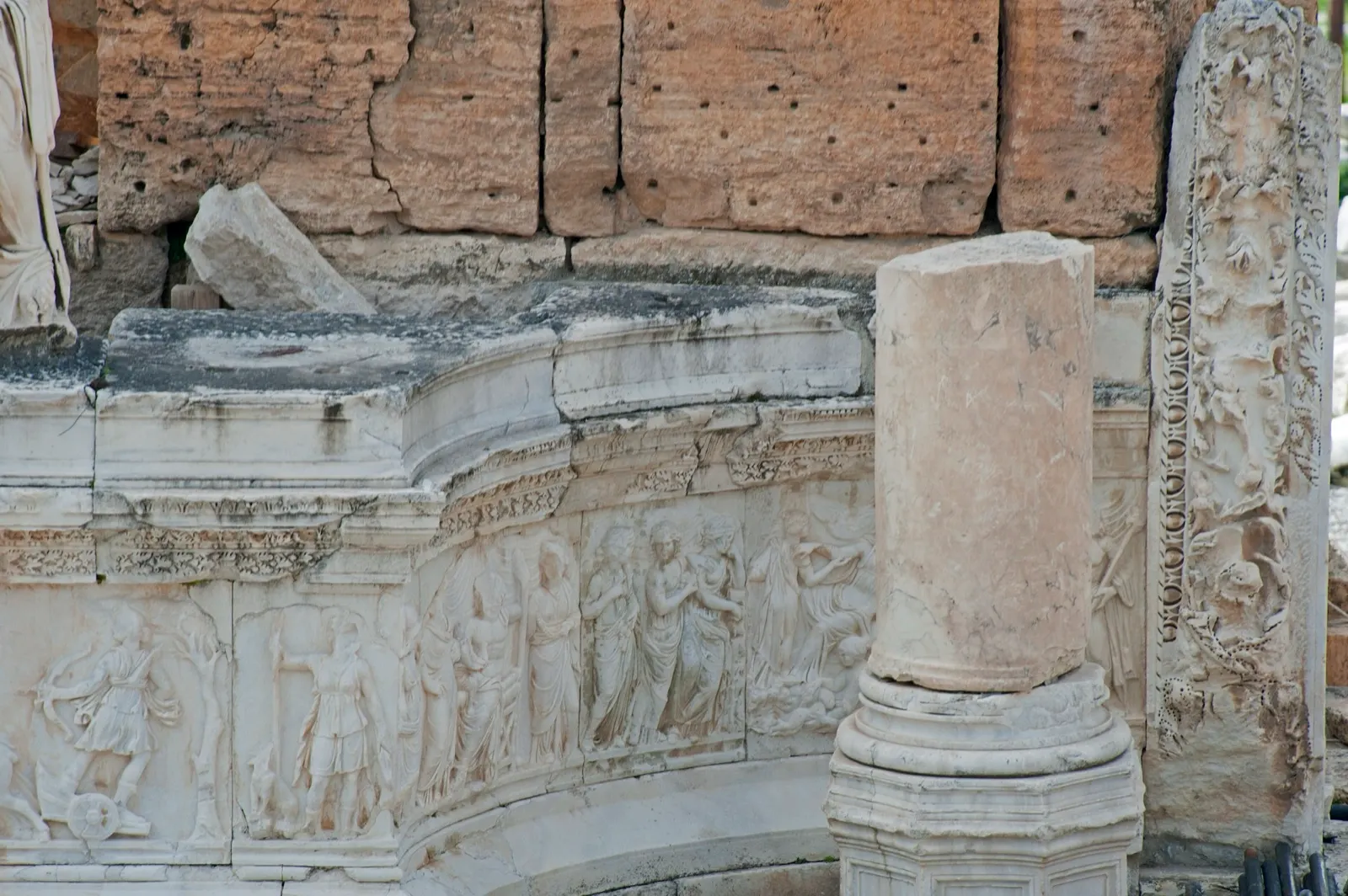
Set right above the travertines, Hierapolis was one of the great spa towns of the Roman era. Its grand theatre, one of Anatolia's largest necropolises and monumental gates make it an open-air museum you can explore for hours.
Tip: The site is large; bring comfortable shoes, a hat and water.
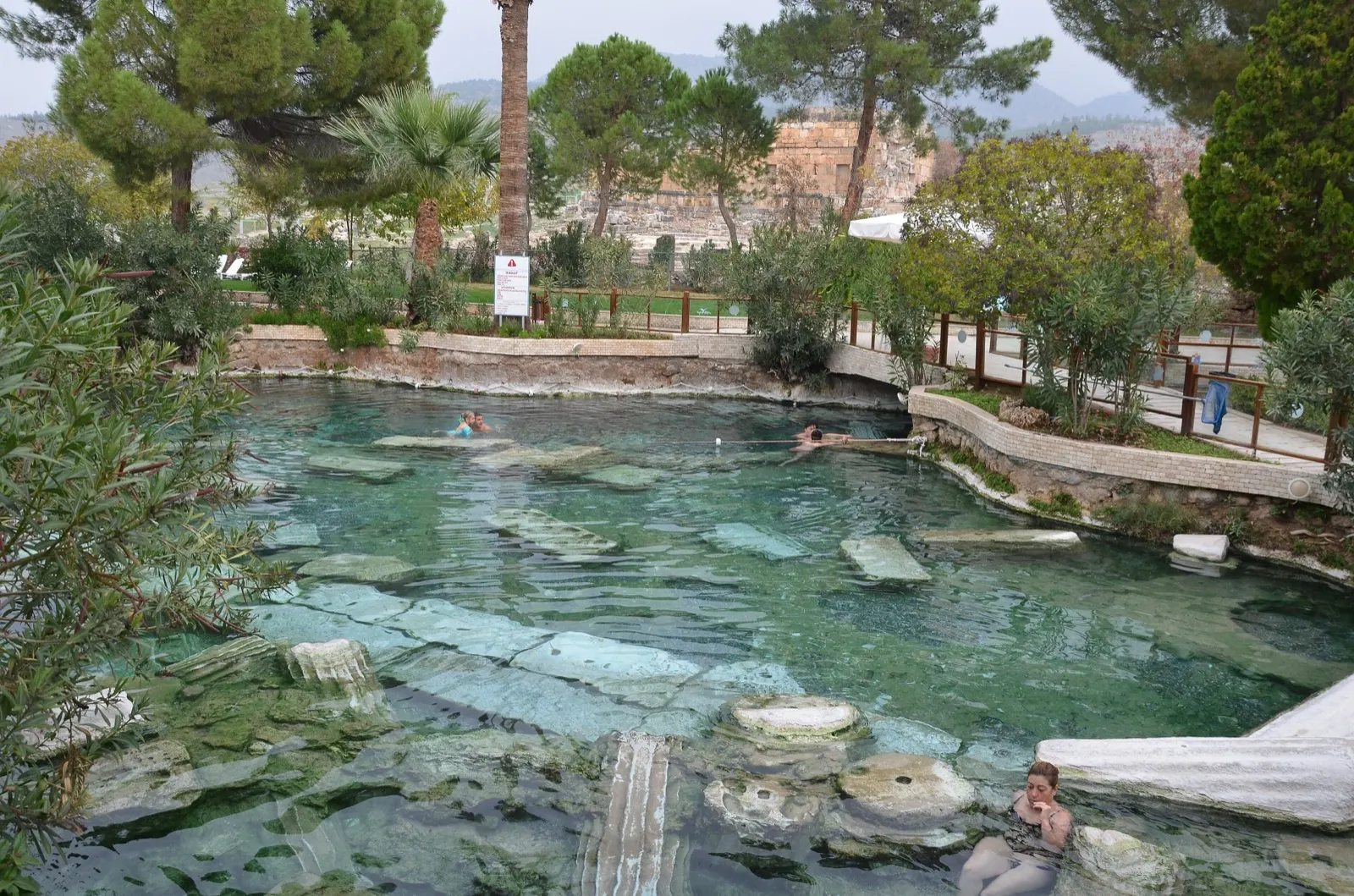
Inside Hierapolis, this thermal pool lets you swim among ancient columns and architectural fragments lying underwater. It is also popularly known as Cleopatra's Pool.
Tip: A separate entrance fee applies; bring your swimsuit and a towel.
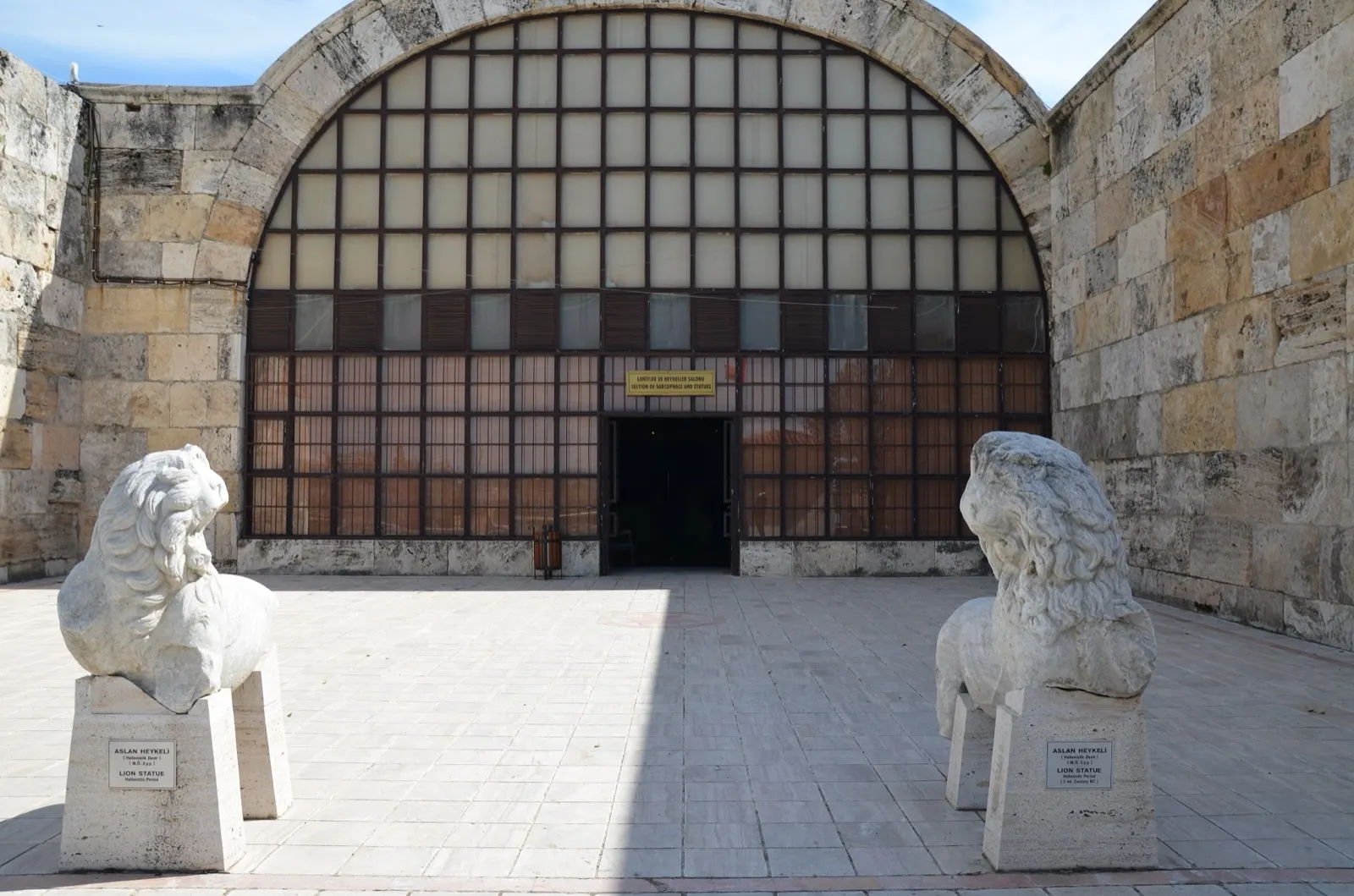
Housed in the ancient baths of Hierapolis, the museum displays statues, sarcophagi and reliefs found in and around the city. Well worth a visit before or after exploring the ruins.
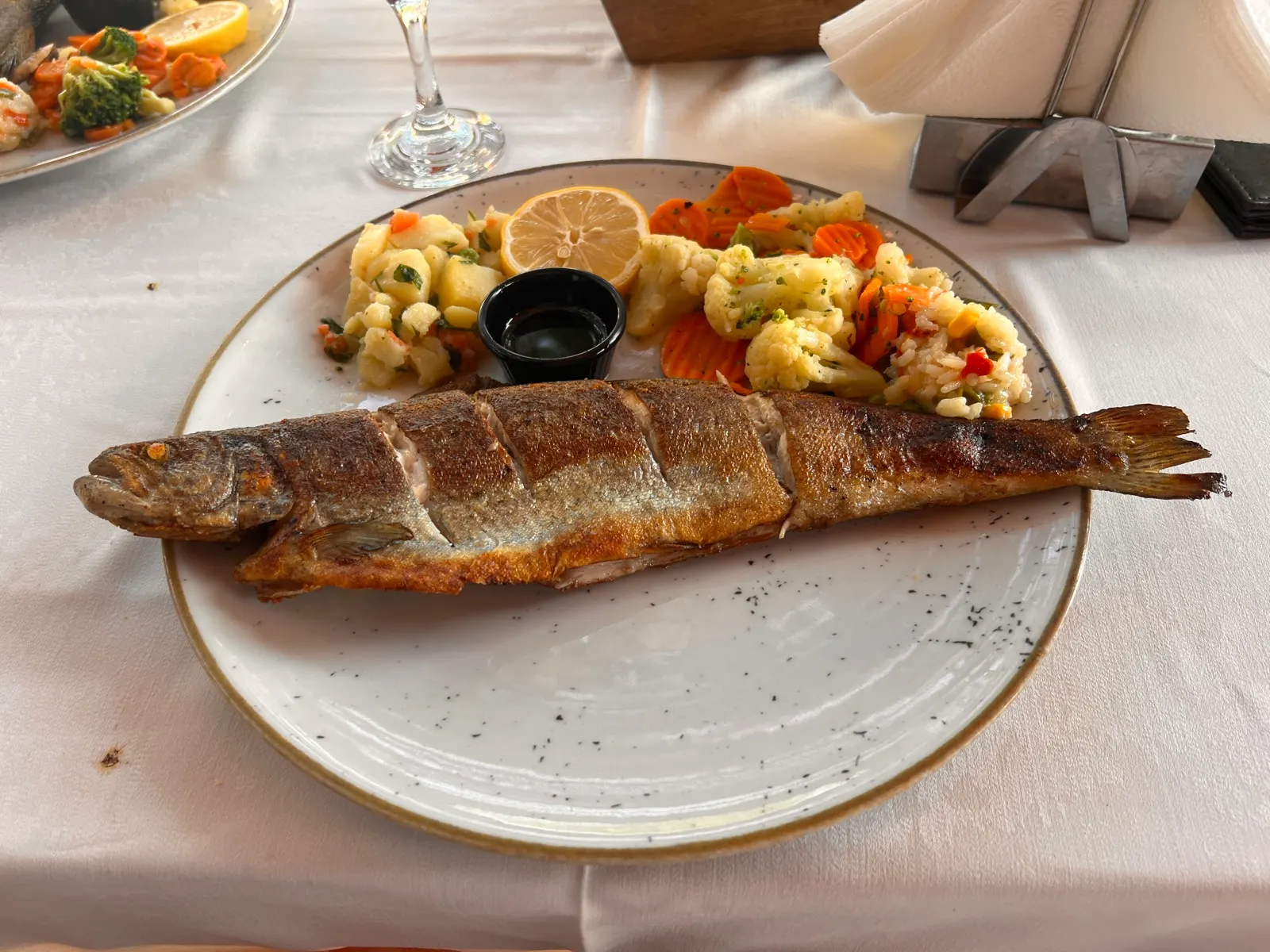
Just north of Karahayıt, at Gözlütepe in Oğuzlar, these spots serve fresh trout in a green, natural setting. Ideal for dinner with grilled trout and local meze after a day of sightseeing.
Tip: It can be busy at weekends, so go early for dinner. Feel free to ask us for directions.
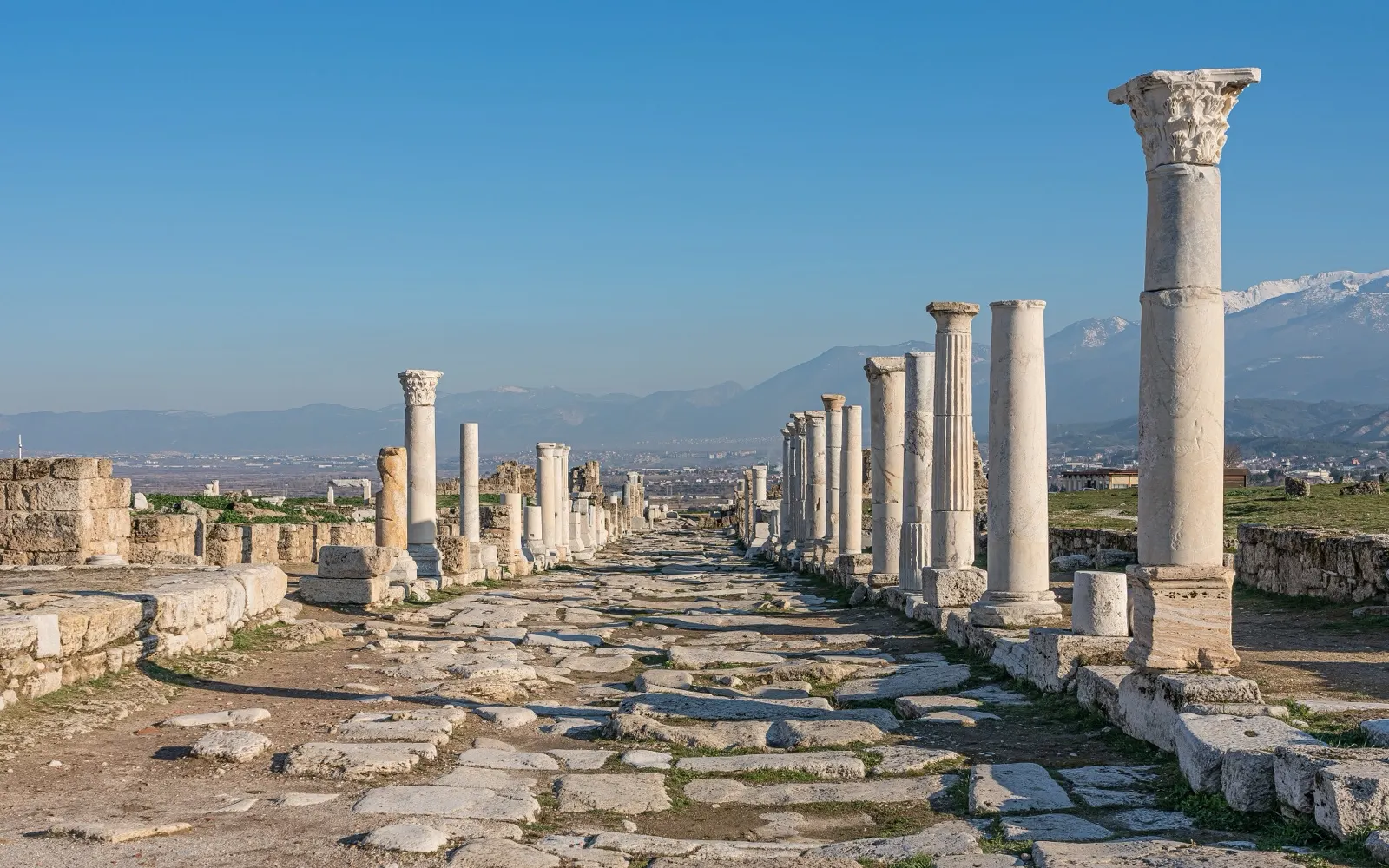
One of the largest ancient cities in Anatolia, Laodicea was home to one of the Seven Churches of the Book of Revelation. Colonnaded streets, theatres and ongoing excavations offer a quieter dose of history than Pamukkale.
Tip: There is little shade, so go in the cooler hours.
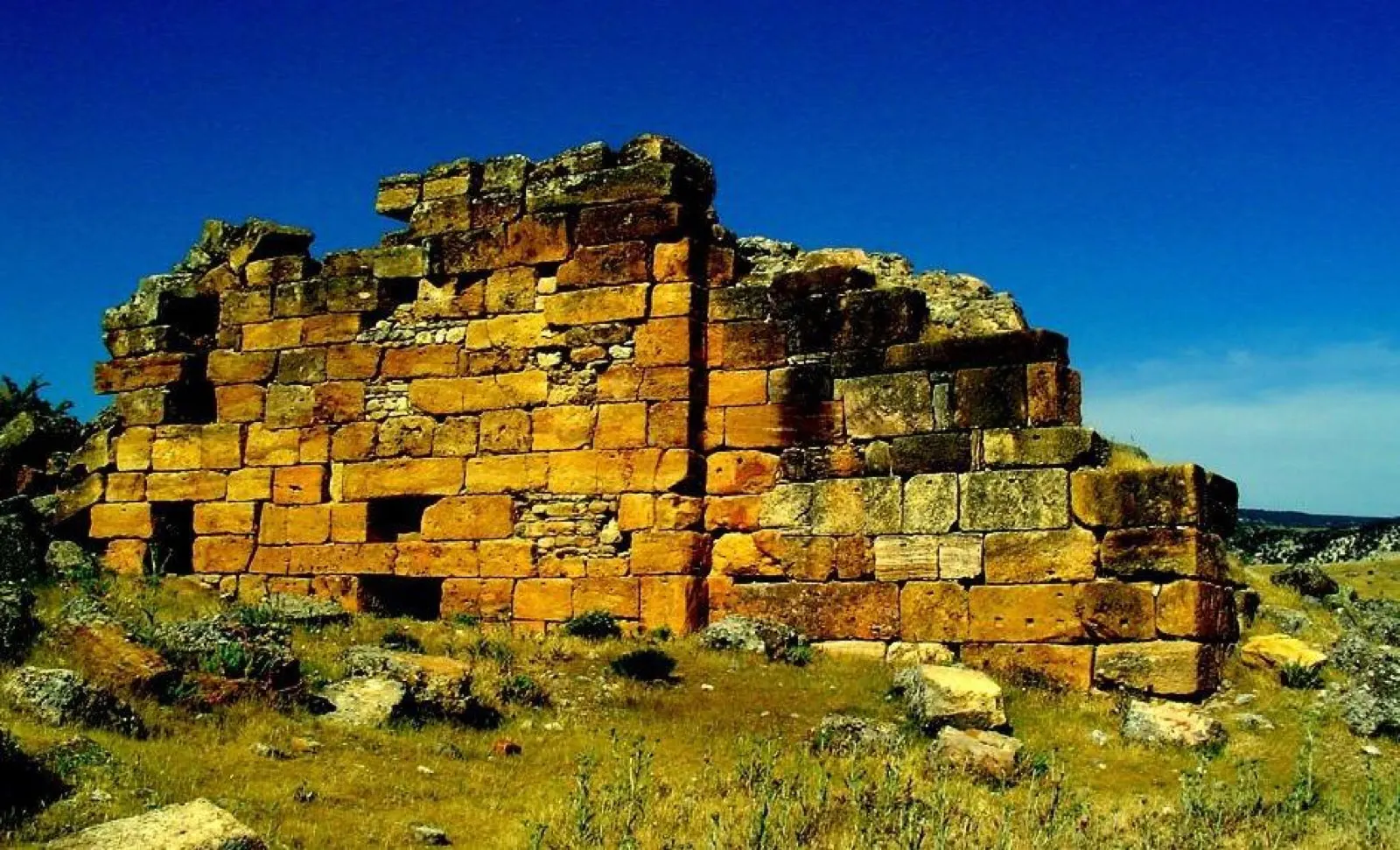
Overlooking the Büyük Menderes valley on the road to Buldan, Tripolis is a lesser-known but impressive ancient city. Its theatre, baths and church remains offer exploring away from the crowds.
Tip: Combine it with the market of Buldan, famous for its hand-woven textiles.
Famous for its hand-woven "Buldan cloth", Buldan offers historic houses, a market where you can still hear the looms and pine-covered hills around it. Combine it with Tripolis on the way.
Tip: Don't leave without a hand-woven peştemal, towel or shawl from the market.
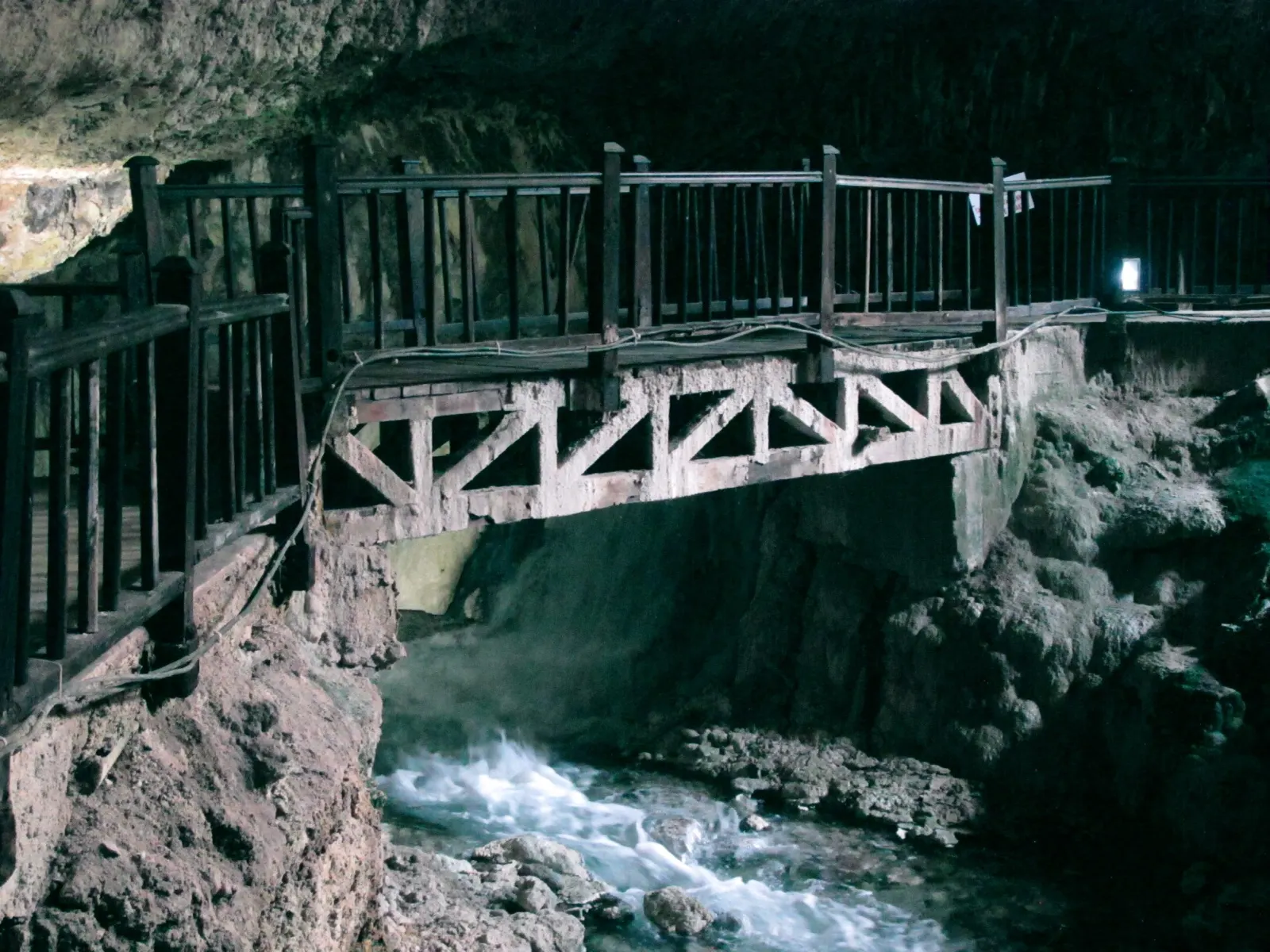
Known as the "underground Pamukkale", Kaklık Cave has travertine pools and stalactites formed inside the cave. It lies in Kaklık, near Honaz, on the Denizli–Afyon road.
Tip: It is damp and slippery inside; wear shoes with good grip.