· 3 min read
Karahayıt Red Spring: Why the Water Is Red and How Hot It Is
Why is the Karahayıt Red Spring red, how hot is the water and how does it differ from white Pamukkale? The story of the water, bathing and visiting tips.
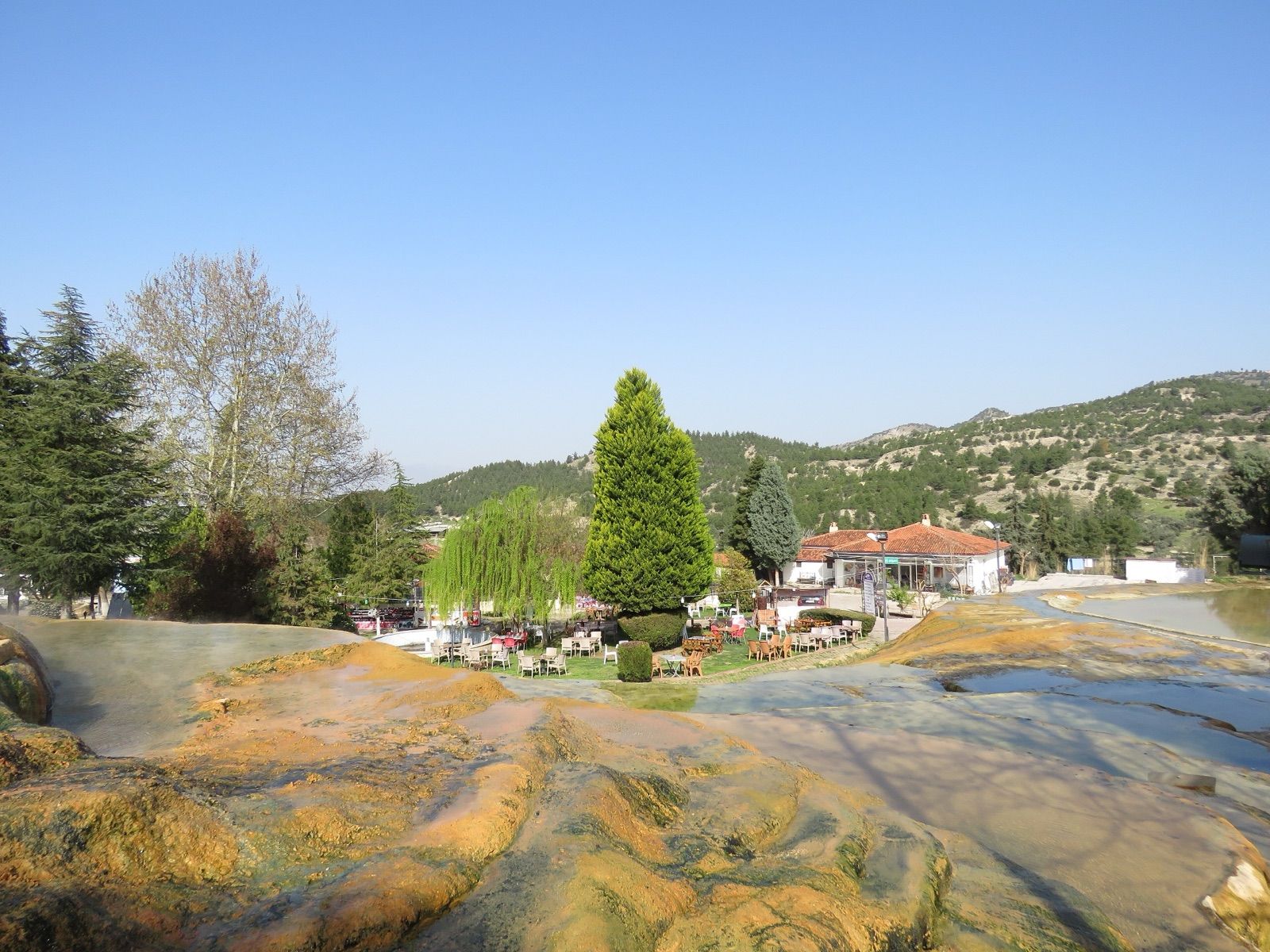
Pamukkale is famous for its brilliant white travertine terraces. Yet just a few kilometres north, Karahayıt has a completely different colour: red. It is one of the first questions our guests ask: why is this water red? Here is how the Red Spring forms, how it differs from Pamukkale and how to enjoy thermal water safely.
Where is Karahayıt?
Karahayıt is a small spa village in the Pamukkale district of Denizli, about 5 km north of the Pamukkale travertines. Hierapolis and the white terraces are only minutes away by car, which makes Karahayıt a quiet and convenient base for visiting the region.
The secret: iron minerals
Karahayıt’s thermal water rises from underground hot, with spring temperatures usually given as around 42–58 °C. It is rich in minerals, especially iron, along with calcium, bicarbonate and sulphate. When the water reaches the surface and meets the air, the iron oxidises and settles, painting the rocks red, orange and brown. Over the years these layers build up into Karahayıt’s unique red travertines.
The spring sits on a small mound in the middle of the village. Hot water spills over the top and flows down the slope, so you can see the steam rising and the coloured layers up close.
White Pamukkale, red Karahayıt
| Pamukkale | Karahayıt | |
|---|---|---|
| Travertine colour | White | Red – orange |
| Key mineral | Calcium carbonate | Iron (and calcium) |
| Water temperature | Warm (around 35 °C) | Hot (42–58 °C) |
| Setting | UNESCO site, large terraces | Inside the village, small spring |
Within a few minutes of each other you can see both white and red travertines, which makes the Pamukkale–Karahayıt area truly special.
The red tint in your bathtub
As in many places in Karahayıt, thermal water flows directly into the bathtubs of our rooms at Ulugut Pansiyon. Over time this can leave a reddish tint in the tub. It is not dirt but the natural mineral character of the water, and our bathrooms are thoroughly cleaned and disinfected after every guest.
Bathing in thermal water
- Avoid an empty or very full stomach. One to one and a half hours after a light meal is ideal.
- Keep sessions short. 15–20 minutes at a time, with breaks in between.
- Drink plenty of water. Hot water makes you sweat.
- Rest afterwards. Dry off and lie down for a while to avoid dizziness.
- Remove jewellery. Mineral-rich water can discolour silver and some metals.
- Choose dark swimwear and towels, as light colours may pick up a reddish tint.
Important: Pregnant guests, people with heart or blood-pressure conditions and anyone with a serious chronic illness should consult a doctor before bathing. Keep sessions short for young children.
Visiting tips
- Best time: late afternoon and sunset, when the red and orange tones glow.
- Photos: shots taken from the top of the spring looking down show the layers best.
- Footwear: the ground is wet and slippery in places, so non-slip sandals help.
- In winter the steam rising from the hot water in the cold air is a sight of its own.
Frequently asked questions
Is there an entrance fee for the Red Spring? The spring is inside the village and usually free to visit. Please check locally for the current situation.
Can you swim in the Red Spring? The spring itself is not a swimming area. Use the pools of local guesthouses and hotels or the thermal-water bathtub in your room.
How do I get from Pamukkale to Karahayıt? It is about 5 minutes by car, and minibuses (dolmuş) also run between the two.
Staying in Karahayıt
If you want to explore Pamukkale and the area by day and relax in thermal water in the evening, Karahayıt is an ideal base. Check our availability or read our Pamukkale travel guide for a one-day route.